
Anti-Inflammatory Peptide
VIP
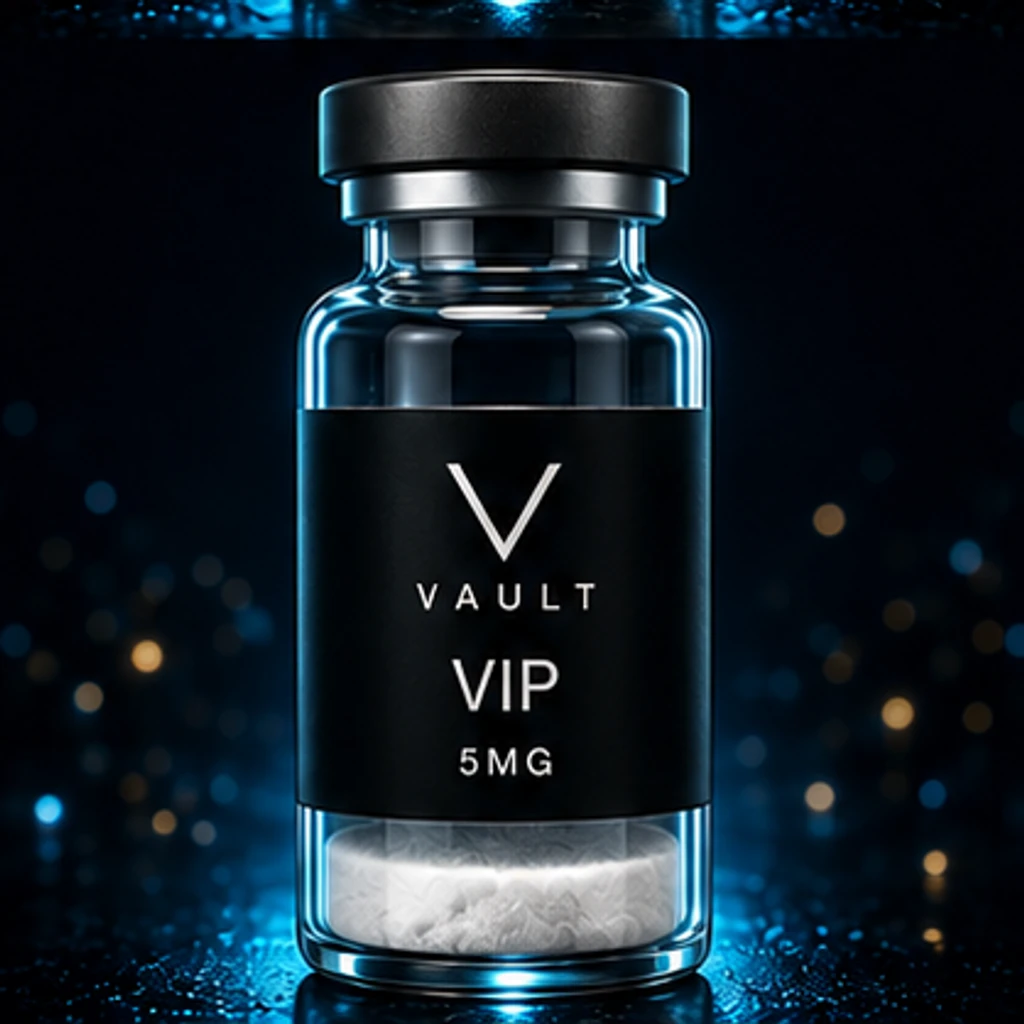
Independently lab-verified vasoactive intestinal peptide, HPLC & LC-MS tested.
Strength
₱3,400.00 PHP
100 units in stock · SKU VIP-5
Independently lab-verified. HPLC & LC-MS tested. Ships nationwide across the Philippines.
Product information
Research summary
Vasoactive intestinal peptide is a 28-amino-acid neuropeptide belonging to the secretin-glucagon superfamily, originally isolated from porcine intestine and subsequently identified throughout the central and peripheral nervous systems. It signals through the class B G protein-coupled receptors VPAC1 and VPAC2, and shares receptor pharmacology with PACAP. Its research profile is broad because its biology is. Published work covers its role as a neurotransmitter in the suprachiasmatic nucleus, where VPAC2 signalling is required for circadian rhythm synchronisation between clock neurons — one of the clearest and most-cited functions of the peptide. A separate and substantial literature examines its anti-inflammatory and immunoregulatory activity, including effects on macrophage cytokine production and regulatory T cell induction. Smooth muscle relaxation and vasodilation, the activities it was named for, remain a third strand. Purity is determined by RP-HPLC and identity by LC-MS, with batch-specific data published for every lot.
Handling & reconstitution
Supplied lyophilised. Bring to room temperature before opening the vial. Reconstitute with bacteriostatic water added gently down the wall. VIP is a 28-residue peptide with helical structure and is more fragile than the short repair peptides — swirl slowly and never vortex or shake. It is also prone to surface adsorption at low concentrations, so use low-binding tubes for dilute working solutions and prepare them close to the time of use.
Storage
Lyophilised: -20 °C or below, sealed, dry and protected from light. Reconstituted: 2–8 °C for short-term use only — within one to two weeks. VIP is notably less stable in aqueous solution than the shorter peptides in the catalogue and is susceptible to both oxidation and enzymatic degradation from any contamination introduced during handling. For anything beyond immediate use, aliquot into single-use volumes and freeze once at -20 °C or below.
Reviews
No reviews yet.