
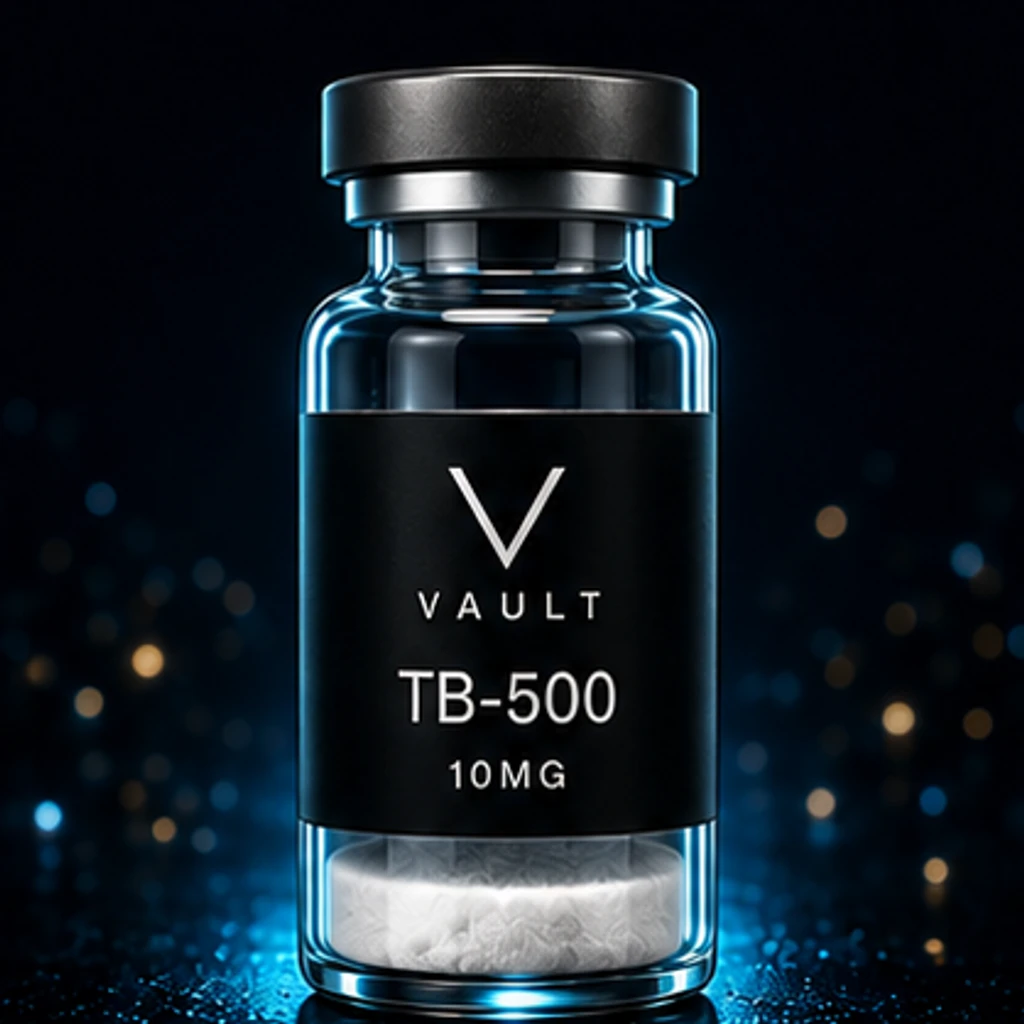
Repair Peptide
TB-500
Independently lab-verified thymosin beta-4 fragment, HPLC & LC-MS tested.
Strength
₱2,650.00 PHP
100 units in stock · SKU TB500-10
Independently lab-verified. HPLC & LC-MS tested. Ships nationwide across the Philippines.
Product information
Research summary
TB-500 is a synthetic peptide corresponding to the active actin-binding region of thymosin beta-4, a 43-residue protein present in most mammalian cell types and in high concentration at sites of tissue injury. Rather than reproducing the whole protein, TB-500 comprises the short sequence around residues 17-23 that carries the actin-sequestering activity. That mechanism underpins the research interest. By binding G-actin and regulating its polymerisation into F-actin filaments, the peptide influences the cytoskeletal remodelling on which cell migration depends — and directed cell migration is the rate-limiting step in most tissue-repair processes. Published preclinical work examines endothelial cell migration, angiogenesis, and repair in cardiac, corneal and dermal models. Its role in modulating inflammatory signalling during the early phase of injury response is a separate strand of the literature. Purity is established by RP-HPLC and identity by LC-MS, with a batch-linked Certificate of Analysis available for every lot released.
Handling & reconstitution
Supplied lyophilised. Equilibrate the sealed vial to room temperature before reconstituting. Add bacteriostatic water gently against the vial wall. TB-500 is freely water-soluble and goes into solution readily with slow swirling. Avoid shaking — the actin-binding motif is a short helical segment, and aggressive agitation at the air-liquid interface serves no purpose. Expect a clear, colourless solution with no visible particulate.
Storage
Lyophilised: -20 °C, sealed and protected from moisture. Stable dry and tolerant of normal transit conditions. Reconstituted: 2–8 °C, used within approximately four weeks. TB-500 holds up well under refrigeration. For extended storage, divide into single-use aliquots and freeze once at -20 °C rather than cycling one vial repeatedly.
Reviews
No reviews yet.